The Equation We Can’t Solve
"There are no real solutions, only tradeoffs."
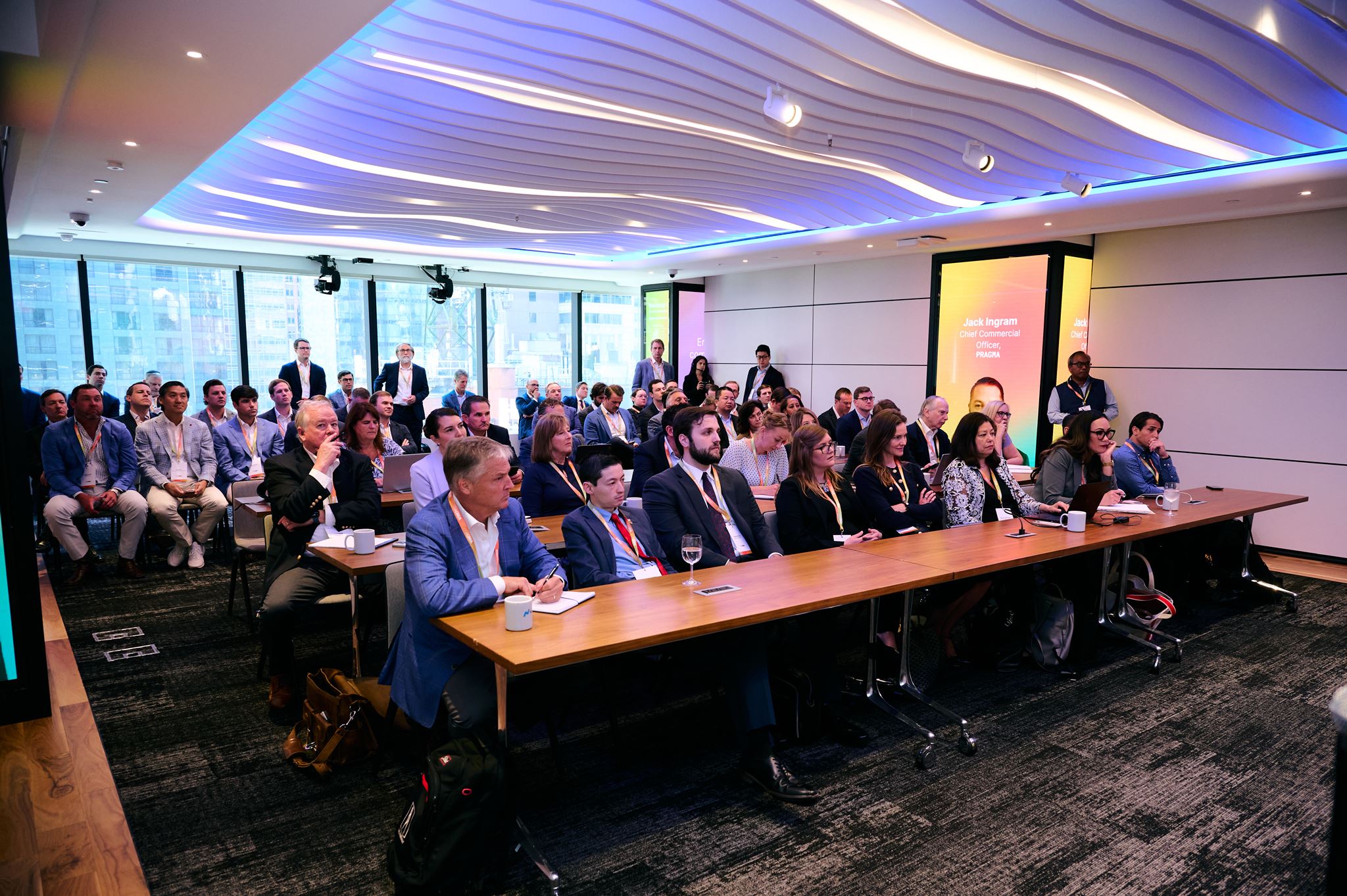
As I sat in the Nasdaq office during the Pragma New York Energy Investment Series, that quote from graduate school kept returning to me.
Pragma can be described as the "matchmaker" of the energy industry, connecting energy to capital and technology to talent through what it calls a pragmatic approach to building the future of energy. Throughout the day, conversations revolved around capital deployment, infrastructure bottlenecks, supply chain constraints, artificial intelligence, permitting reform, and the race toward "speed to power."
Yet beneath every panel seemed to be the same question:
How do we invest in enough energy to meet growing demand while keeping it reliable, affordable, and secure?
The answer, I realized, depends entirely on who you ask.
Investors optimize for returns. Utilities optimize for reliability. Policymakers optimize for affordability. Communities optimize for jobs, health, and quality of life. Every stakeholder is solving for the same equation, but each assigns different weights to the variables.
High school math taught me that not every equation has a clean solution. Some systems have no single answer that satisfies every constraint simultaneously. Instead, you're forced to optimize for what matters most while accepting tradeoffs elsewhere.
Energy feels like that kind of equation.
• How do you optimize for speed to power, affordability, and environmental justice?
• How do you maximize energy security while minimizing emissions and keeping electricity affordable?
• How do you deliver resilient infrastructure while generating attractive returns and creating lasting community benefit?
Why The Equation Is So Difficult
Once capital, national security, affordability, climate, and human flourishing all become variables in the same equation, there is no perfect solution; only tradeoffs to navigate and choices to make.
One theme surfaced repeatedly throughout the day: we are investing in an era of supervolatility.
Capital is being deployed into an ecosystem where higher highs and lower lows are becoming the norm. Rapid technological advancement does not necessarily produce rapid returns, but it certainly reshapes risk. Geopolitical conflict, supply chain disruptions, permitting delays, policy uncertainty, and community resistance are no longer tail risks. They are increasingly becoming the assumptions upon which investment decisions are made. Conditional Value at Risk (CVaR) calculations can no longer be ignored in favor of expected returns. Uncertainty is no longer the exception. It is the operating environment.
That reality changes how infrastructure gets built.
Success will no longer be determined solely by the sophistication of financial models or resource planning documents.
Increasingly, it will depend on relationships; with Washington, with the communities projects serve, with supply chain partners, and with the teams responsible for delivering projects.
Infrastructure may be built from steel and concrete, but it is enabled by trust.
Relationships have become a form of infrastructure themselves.
Strategy Before Vertical Integration
Another manifestation of this shift is the rise of vertical integration.
Increasingly, hyperscalers are investing directly in energy infrastructure rather than waiting for interconnection queues to catch up with demand. Traditional boundaries between technology companies, developers, utilities, and investors are beginning to blur.
One panelist made a comment that stayed with me:
"Vertical integration must start with strategic alignment."
That observation extends far beyond organizational structure. While we often debate technologies, permitting challenges, and capital availability at energy conferences, we should be careful not to confuse activity with strategy.
Because speed to power is not a strategy.
Technology by itself is not a strategy.
Throwing capital at a problem is not a strategy.
Strategy is aligning technology, capital, infrastructure, policy, community engagement, and execution toward a common objective.
It means understanding supply chain constraints before committing billions of dollars to projects dependent on decade-long equipment lead times. It means engaging communities before announcing developments rather than after. It means building infrastructure that aligns with long-term transmission planning instead of simply reacting to today's urgency.
An effective strategy is rarely one brilliant decision. It is the disciplined alignment of hundreds of decisions over time.
Execution Is the Competitive Advantage
Strategy, however, is only one piece of the puzzle. The winners of the next phase of the energy evolution will not necessarily be those with the most innovative technology or the deepest pools of capital.
They will be those who can execute.
Those who can: navigate permitting, build community trust, adapt when assumptions change, deliver projects on schedule, and continue making difficult decisions while others wait for perfect information.
Capital is flowing into the energy industry, and it will continue to do so.
But capital cannot manufacture transformers overnight. It cannot shorten permitting timelines. It cannot resolve supply chain bottlenecks or earn community trust.
Execution is what transforms strategy into infrastructure.
Perhaps We've Been Solving the Wrong Equation
When we talk about today's energy challenges, we often spend countless hours debating technologies, market designs, financing structures, and policy mechanisms in hopes of finding the solution.
But perhaps we've been solving for the wrong variables.
The equation isn't simply about energy density, rates of return, or tax policy.
It's also about relationships. Strategy. Execution. And ultimately, people.
So, what if this industry is not about finding the perfect solution, but about serving our communities with what we have, where we have it, and as wisely as we know how?
What if the best decisions are not universally correct, but contextually appropriate? What serves one community today may not serve another tomorrow. Seasons change, technologies evolve, communities change, and our decisions should evolve alongside them.
Perhaps engineering has never really been about finding perfect answers, but making good decisions under imperfect conditions.
That, to me, is what makes this industry so fascinating.
As engineers, we are trained to solve problems. Yet the most important problems rarely stay solved. Every project changes the system around it. Every decision introduces new constraints. Every solution creates a new set of tradeoffs.
Our responsibility is not to eliminate uncertainty but to navigate it; to make difficult decisions with imperfect information, weigh competing priorities with humility, and remain willing to learn when tomorrow reveals what today could not.
There are no perfect solutions.
There are tradeoffs to navigate, choices to make, and communities to serve.
The equation may never truly be solved, but it is worth spending a lifetime stewarding it well.

.jpg)
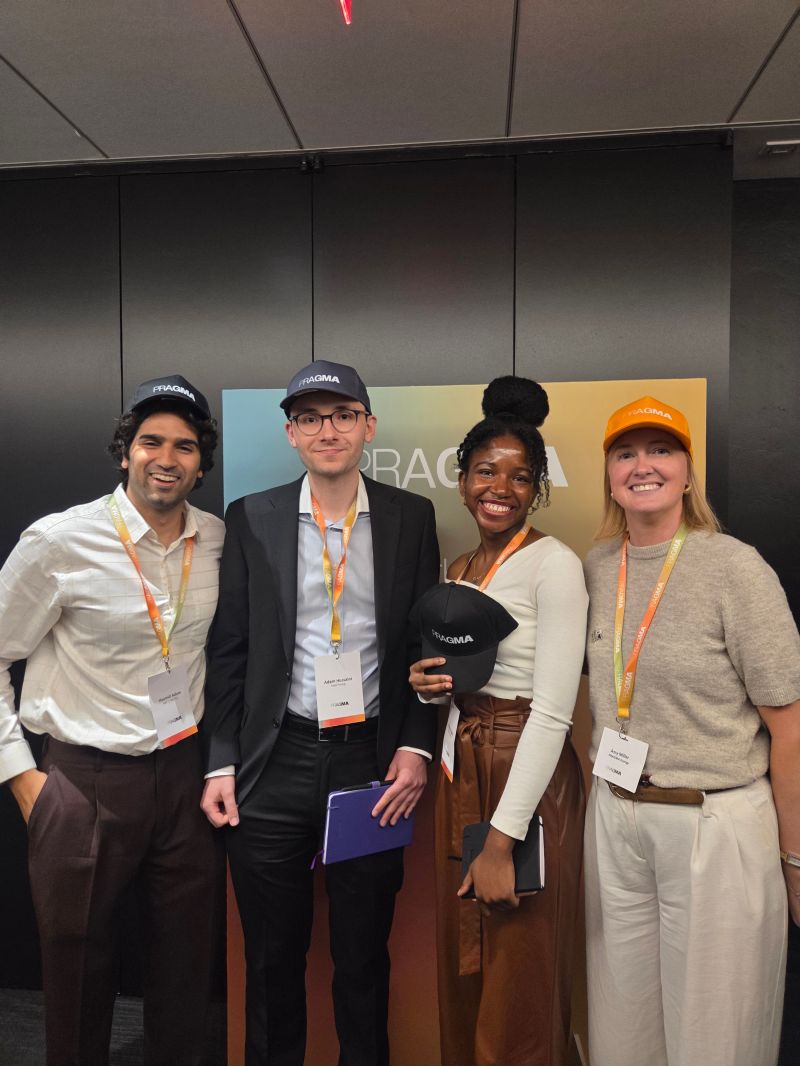
About Ozioma Ozigbo
Ozioma is a Master of Engineering student at Duke University exploring the intersection of energy, sustainability, and the deployment of emerging energy technologies. She is driven by a simple question: How do we build energy systems that provide everyone, everywhere with access to reliable, affordable, and sustainable energy?
.png)